In recent weeks, there seems to have been an increase in the number of local councils and other authorities banning motorhomes from parking in what are deemed to be scenic areas.
We’ve seen it in Scarborough, where the council decided to make a temporary ban permanent, in Snowdonia, where time restrictions were added to prevent unauthorised overnight parking, and in a popular site near Loch Lomond, where motorhomes are now banned altogether.
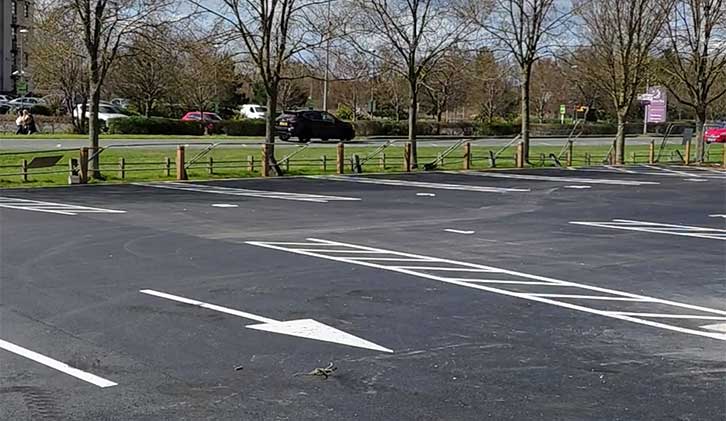
Even councils that have tried to get around the problem by offering sections of their car parks to overnight stays (as they have done in Fishguard, Cleethorpes, Burghead in Scotland, and propose to do in Rhyl in Wales) have often met with fairly voluble local opposition.
In my opinion, I think some of this action is a little bit unnecessary. I am probably preaching to the converted here, but I thought I would spell out just why I think such opposition is a touch misguided.
For example, I understand that some people think motorhoming visitors contribute nothing to the economy. Well, it is true in a way – motorhomers are not going to be forking out for the price of a bed in a hotel room, or to rent a cottage. But they will be spending locally on other things – in local food shops and restaurants, possibly several times during the course of their stay, in local garages, and in museums and other attractions.
People staying in hotels will, of course, also be paying out money, but if they are on half or even full board at their hotel, then all the money will be going to just one business in the area. People staying in cottages, meanwhile, may very well bring all their food with them, and, given the size of the kitchen and the money they have probably already shelled out to have it for a week, could well be inclined never to dine out.
There are complaints about rubbish, too. While I have no doubt some motorhomers are guilty here, I suspect at least some of the rubbish has been generated not by them, but by other visitors, and could in any case be a result of poor litter provision locally. Rubbish, it seems to me, is an increasing problem throughout Britain, and not just at places where motorhomes tend to congregate.
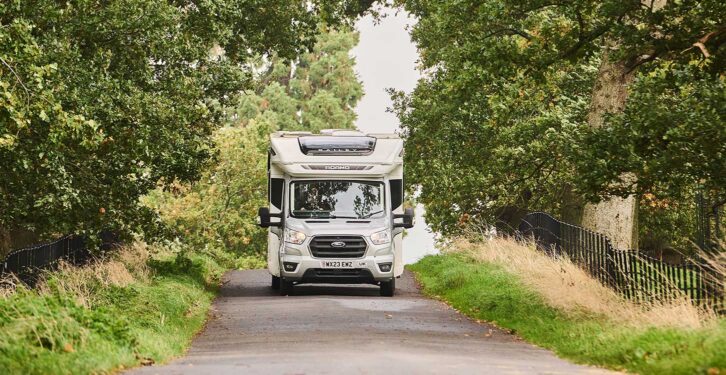
But the best counter to these arguments is, I think, found by taking a look at how things operate just across the Channel.
Take the ferry or Eurotunnel and drive into almost any French village – even in the furthest reaches of “La France profonde” – and chances are you will go past a little road sign with a motorhome logo (you can tell the sign has been up a long time because the motorhome depicted is usually an overcab, which we don’t see so many of these days).
There may also possibly be the words “Aire du camping car.” Follow the sign and you will usually find a small parking area with lots big enough for motorhomes, almost always with electric hook up, sometimes with a water point and waste disposal too. You are allowed to park there, although usually for no more than 24 or 48 hours. A similar system operates in Germany, and to a lesser extent in Spain and Italy, too.
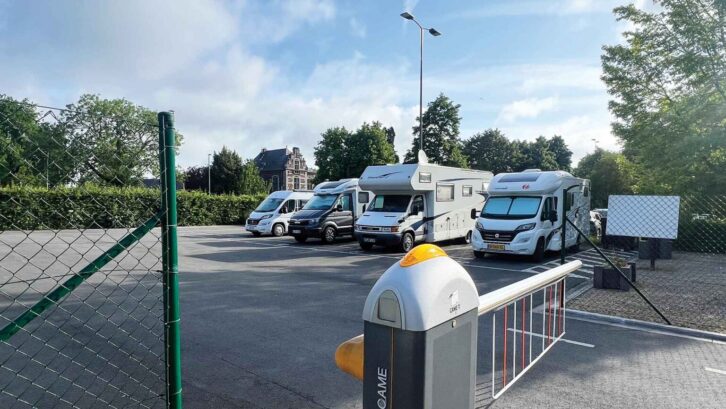
The local authority in these areas (which in France usually means the mayor) understands that, once you provide a dedicated camping space, motorhomes will tend to park there, and not anywhere they choose. And yes, they will contribute to the local economy, and yes, they will clean up after themselves – on the whole.
Such places are usually discreetly hidden away, but even if they can’t be, there is no reason why a bunch of motorhomes need necessarily be a blot on the landscape. In the chic resort of Honfleur in Normandy, for example, there is quite a large aire in a car park, conveniently next door to the harbour, easily dwarfed by the yacht sails.
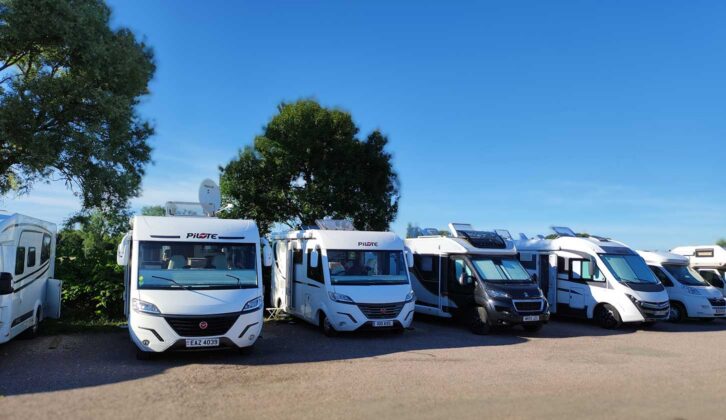
I am not saying there is no need for caravan parks. There always will be, for people whose campervan may not have all facilities on board, for people who want to stay longer than 48 hours, or for people who just want the reassurance of a more substantial back up.
But our European friends have clearly not allowed the wishes of the owners of such establishments to dictate policy on wild camping as a whole, as it often appears we do in Britain. And you could hardly claim that the extensive network of aires they have in France has killed off caravan parks there, as the best campervan sites in France show.
Apart from anything else, I find the existence of such aires gives a message to all new arrivals and travellers that this town is a welcoming place, happy for you to stay for a couple of nights before you move on. That is, I think, a message that many in the UK could learn a lot from.
For those of you who are heading off on tour soon, don’t miss our 11 tips that could help to take the exertion out of motorhoming.
If you’ve enjoyed reading this article, why not get the latest news, reviews and features delivered direct to your door or inbox every month. Take advantage of our brilliant Practical Motorhome magazine SUBSCRIBERS’ OFFER and SIGN UP TO OUR NEWSLETTER for regular weekly updates on all things motorhome related.
Leave a Reply