When we think about motorhome servicing, our minds usually jump straight to engines, oil changes and brake pads. All important, of course – but they’re only half the story. The real heart of a motorhome lies behind the habitation door, and that’s where the habitation check comes in.
Habitation checks are a snapshot of your living area’s safety and condition. Missing it could lead to significant expenses down the road.
So let’s lift the lid on the motorhome habitation checks: what they actually involve, why they matter so much for safety and warranty, and how to tell whether your technician is doing a proper job or just giving it a quick once-over.
What is a habitation check?
A habitation check is a comprehensive inspection of your motorhome’s living area. This motorhome maintenance has nothing to do with the engine or chassis – it’s all about the systems that make your ‘van a comfortable (and safe) home on wheels.
A proper habitation check will usually cover:
- Gas system: the motorhome gas system will be checked, testing for leaks, checking regulators, hoses and pipework, and ensuring appliances are operating safely.
- Electrical systems: the motorhome electrics will be checked, including both 12V and 230V, including batteries, chargers, consumer units, sockets and RCDs.
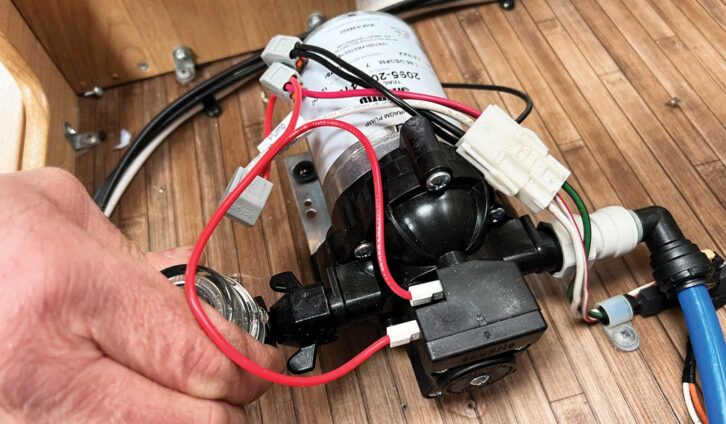
- Water systems: fresh and waste tanks, pumps, pipes, taps, toilet and boiler, all checked for leaks and correct operation.
- Ventilation and appliances: fridge, cooker, heater, water heater and roof vents.
- Bodywork and seals: doors, windows, rooflights and external lockers.
- Damp inspection: moisture readings taken at key points throughout the vehicle.
That last one – damp – is the biggie, and it’s where a habitation check really earns its keep.
Why a habitation check matters for habitation safety
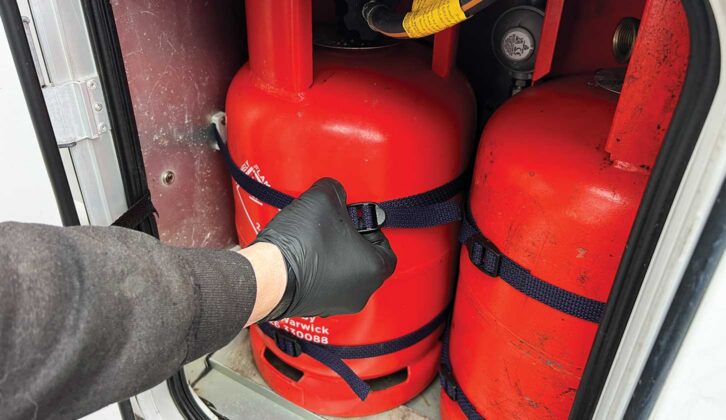
Let’s start with the obvious: gas and electricity can kill. A damaged hose, loose connection or a failed safety device isn’t something you want to discover when you’re tucked up for the night on a remote campsite.
A thorough habitation check will include a gas tightness test, not just a sniff and a shrug. It should also confirm that flame-failure devices work properly and that enthusiastic DIY insulation or storage solutions haven’t blocked ventilation.
Electrics matter just as much. Faulty chargers, damaged hook-up cables or missing RCD protection can turn a relaxing holiday into a very shocking experience – literally.
Then there’s water. A small leak behind a cupboard might not seem dramatic, but left unchecked, it can soak into floors and walls, leading to rot, mould and structural damage. Which brings us neatly to ‘damp’…
Damp: the silent motorhome killer
Damp is the number one enemy of motorhomes. It’s usually invisible and odourless at first, and can take hold sometimes for months (or years) before you notice anything is wrong.
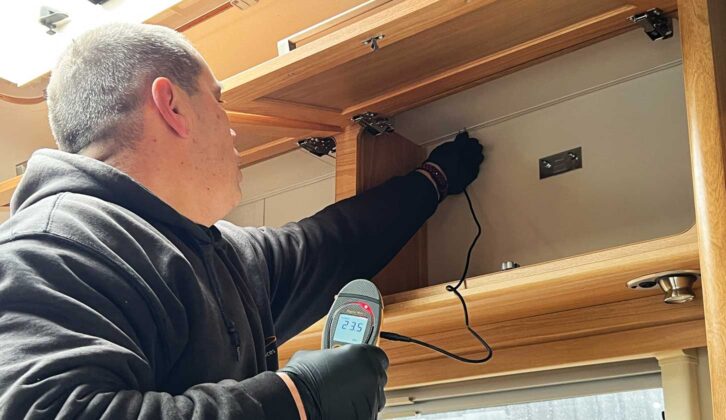
A proper habitation check uses a calibrated moisture meter and follows a systematic pattern, testing known weak points: corners, joints, rooflights, windows, lockers and floor edges. Random poking isn’t good enough.
Why does this matter? Repairing damp can cost thousands of pounds, and severe cases can write off a motorhome entirely. Catch it early, and it’s often a relatively simple reseal. Catch it late, and you’re into replacing wall panels and floors, and a potentially hefty bill.
Warranty: the small print that bites
If your motorhome is under a manufacturer or dealer motorhome warranty, regular habitation checks are usually a non-negotiable condition. Miss one, or have it done improperly, and you may find future claims firmly declined.
- Manufacturers want evidence, including:
- Checks done annually: Carried out by a qualified or ‘Approved’ technician
- Recorded and stamped in the service or warranty booklet
A scribbled note or a generic invoice may not cut it. If there’s a dispute later, the burden of proof often sits with the owner. Even on older motorhomes, a documented history of habitation checks is gold dust when it comes to resale. It reassures buyers that the motorhome has been properly maintained.
How to spot a thorough technician
Not all habitation checks are created equal. Prices can vary wildly, and while the cheapest isn’t always the worst, it should make you ask questions. Here are a few signs you’re dealing with someone who takes the job seriously:
- Time: A proper habitation check takes a few hours, not 30 minutes. If you’re told to “pop back after lunch”, that’s a good sign.
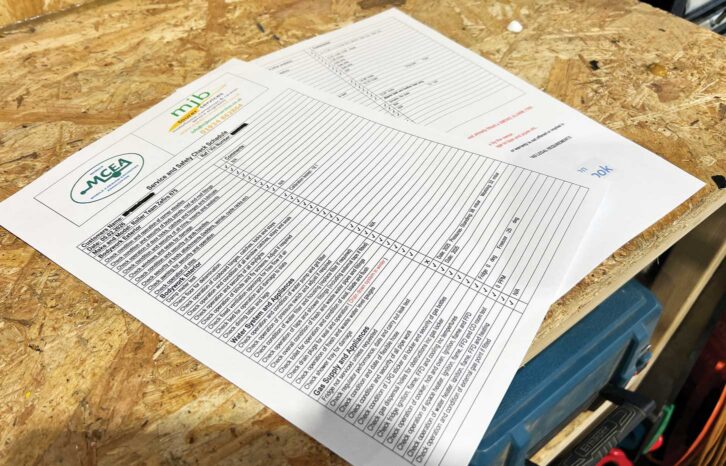
- Paperwork: You should receive a detailed report, not just a ticked box. Moisture readings, test results and advisory notes matter.
- Qualifications: Look for gas certification and evidence of training, especially for newer systems. Are they affiliated with the NCC Approved Workshop Scheme or MCEA?
- Questions: A good technician will ask whether you’ve noticed any issues, unusual smells, warning lights, or odd behaviour.
- Transparency: They’re happy to explain what they’re doing and why – and to show you any problems they find.
Be wary of anyone who doesn’t check gas properly, skips damp testing, or tells you “they’re all like that”.
The bottom line on the habitation check
A habitation check isn’t an optional extra or an annoying annual expense – it’s one of the most important investments you can make in your motorhome. It protects your safety, your wallet and your warranty, and gives you confidence that your pride and joy is truly fit for the road.
So next time servicing season rolls around, don’t just ask if a habitation check is included. Ask what it involves. Because when it comes to motorhomes, the secrets that matter most are often hidden behind the walls.
Before you set off on tour this year, make sure you are aware of what the motorhome speed limits in the UK are, so you can stay safe and legal on the road.
You can find out more about Motorhome Matt and listen to his podcast at motorhomematt.co.uk
Future Publishing Limited, the publisher of Practical Motorhome, provides the information in this article in good faith and makes no representation as to its completeness or accuracy. Individuals carrying out the instructions do so at their own risk and must exercise their independent judgement in determining the appropriateness of the advice to their circumstances. Individuals should take appropriate safety precautions and be aware of the risk of electrocution when dealing with electrical products. To the fullest extent permitted by law, neither Future nor its employees or agents shall have any liability in connection with the use of this information. Double check any warranty is not affected before proceeding.
If you’ve enjoyed reading this, why not get the latest news, reviews and features delivered direct to your door or inbox every month. Take advantage of our brilliant Practical Motorhome magazine SUBSCRIBERS’ OFFER and SIGN UP TO OUR NEWSLETTER for regular weekly updates on all things motorhome related.
Leave a Reply