Are you thinking of selling your motorhome? There are a few points to consider that can help you avoid any unexpected pitfalls or unwanted scenarios, and make the whole process much easier.
Whether it’s because you want to downsize from a larger family motorhome to one of the best small motorhomes, are thinking of switching to a caravan, or want to get a new season luxury leisure vehicle, you’re going to want to get the best price that you can for your existing ‘van.
To give you a helping hand, here, we’re explaining what you need to know, including advice on selling your motorhome via a dealer or privately, and how to get your ‘van ready to sell.
Selling a motorhome to a dealer
Heading to a dealership is going to be the simplest way of selling a motorhome, even if you’re not thinking of part-exchanging it.
It’s worth knowing that a dealer will typically only offer you a trade price, which means they will most likely set a lower price for buying the motorhome, as you’re not trading it in for another model on their forecourt.
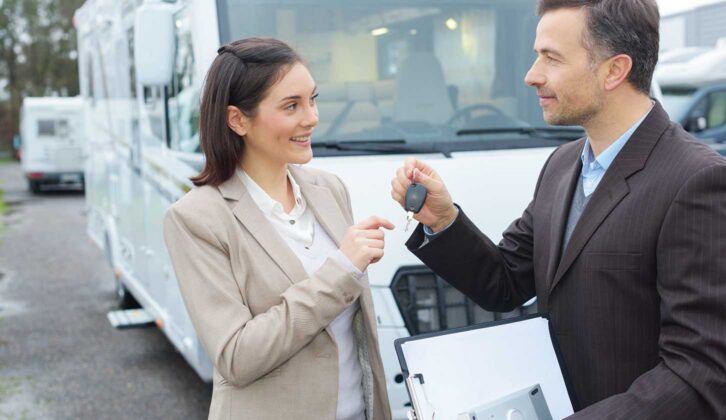
This could result in getting a fee which is several thousand pounds less than you’re seeing for similar ‘vans elsewhere.
Make sure you’re honest about any issues that you think your motorhome could have. It’s also important to ensure you’re turning up with a clean ‘van – it’s worth reaching for the best motorhome cleaner and giving it some TLC in advance, and don’t forget to empty the motorhome cassette toilet, either (we will offer more advice on this further on in our guide).
After agreeing on a price, you will most likely be paid via bank transfer, and then, upon completion of the paperwork, it is done.
You could always consider selling your motorhome through the dealership instead, too. This generally works well, but make sure you are happy with the percentage the dealer will want from the sale. You might find they suggest a price which is lower than you are looking for, but it’s worth remembering that they know the market, so they would generally choose an appropriate price.
That’s not to say you couldn’t try asking for a higher price, in which case the dealer could agree.
They will normally put a sign in the ‘van’s window which says “selling on behalf of a customer”.
Selling a motorhome privately
If you’re thinking of selling your motorhome privately, you will find there is a wider array of available options.
Autcion sites
For instance, you could consider an auction site, which allows you to reach a broader audience and potentially achieve a higher price. Be completely upfront and clear about the state of the motorhome in any advert.
If you choose to sell your motorhome on eBay, you could list it as a ‘Best Offer’, ‘Bids’ or a ‘Buy It Now’ sale, but it’s worth remembering that whichever you decide to go for, there will still be the website’s fees.
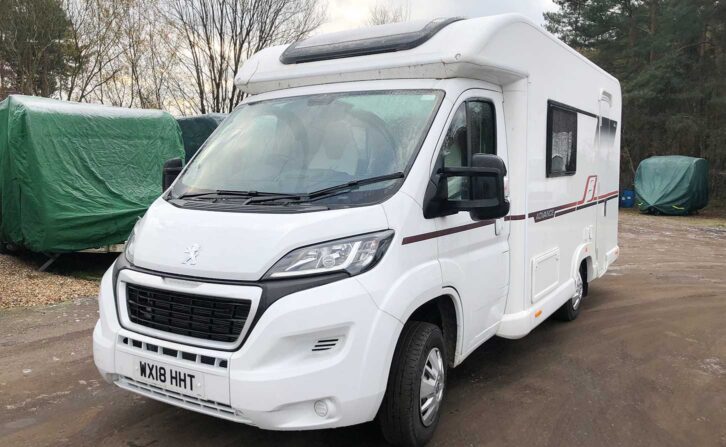
You could potentially find that the buyer decides they want a refund, too, which can be a difficult situation to negotiate.
Classified sites
Alternatively, consider selling your motorhome on a classified site, like Auto Trader. Here, you pay a set fee, based on how long you intend to keep the advert live for.
Whether you opt for an auction site or a classified site, you should have the option of adding both images and videos to your listing.
Use a ‘For Sale’ sign
Or, leave the motorhome on your drive with a ‘For Sale’ sign visible in the window.
Online services
Online services are another option. Here, they will offer you an initial price for the motorhome before seeing it, then send someone to inspect it, carrying out the usual checks (for instance, for outstanding finance) and looking out for damp and any other signs of damage.
Depending on what they find, the offered price could be reduced.
If you do have outstanding finance on your ‘van, again, be upfront about it from the start, as some dealerships and buying services can help to sort it.
Watch out for scams
Just as you would if you were buying a motorhome privately, there are a number of scams to watch out for, and check would-be buyers carefully.
Scams could potentially include being contacted by someone abroad who wants to purchase your motorhome and have it shipped to them, for a fee. Another one is from someone pretending to be a broker, who says they have the perfect buyer, again for a fee.
Getting your motorhome ready to sell
The best time of year to sell is typically early spring, while the worst time will be winter, as you’re likely to get a lower fee.
Have all of the documentation you will require to hand, including:
- Vehicle registration information
- Service checks
- Receipts
- Details of any repairs
- Vehicle and appliance handbooks (if you have them)
- Damp tests and results
It will be worth getting your motorhome serviced. Where you store your motorhome could potentially make your life easier too – store it at home, and you can get it ready, plugging it into the electrics and connecting it to the gas.
If it’s in storage, you will most likely need to inform the site owner that someone will be coming to take a look at it.
Selling any extras
If there are any pieces of kit you are no longer going to want or need, such as an awning or camping chairs, include them in the price. It’s well worth demonstrating how the appliances work, too.
Clean the exterior
As mentioned earlier, cleaning a motorhome will be an important step here. Begin with a deep wash. I’d recommend using a soft-brush extending arm and a pair of step ladders, making sure you have a helper with you to hold them steady.
Avoid a full-blown power or jet washer, as this could potentially damage the seals. However, a hose will come in handy for washing off grime.
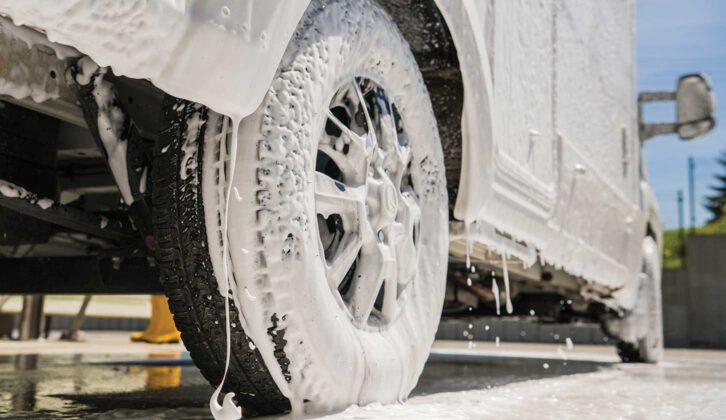
Start by cleaning the motorhome roof with a good car shampoo before moving onto the sides – and don’t forget to change the water regularly.
We’d advise not doing this on a hot, sunny day, as you will get streaks otherwise. Then dry the ‘van off with a microfibre cloth, and reach for the best motorhome polish.
Don’t overlook the windows or the wheels, either.
Clean the interior
It’s not just the exterior which will require some attention. Make sure the cushions and soft furnishings are clean, and reach for the best motorhome vacuum cleaner to give the interior a good freshen up.
The mattress should be supportive and comfortable, with the bed made up.
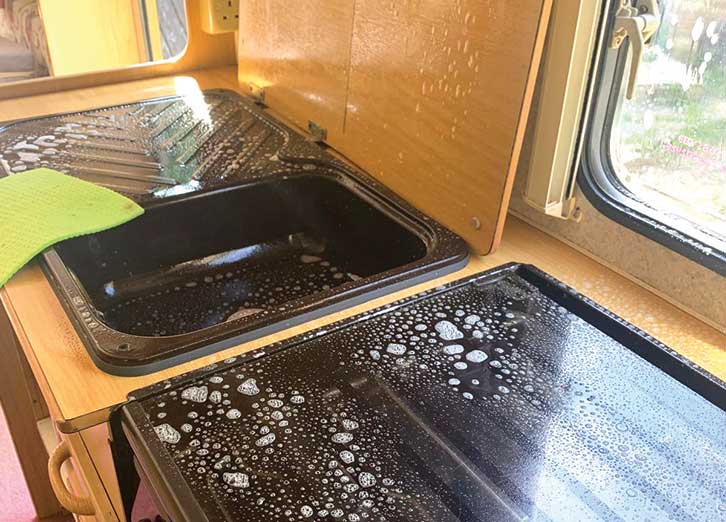
Give the kitchen a thorough clean, check all appliances are working, and don’t forget to ensure each cupboard is empty.
The washroom should be sparkling too, with new flush fluid in the freshened up toilet.
Taking good photographs
Getting good photographs of your motorhome will play an important part in attracting a potential buyer, and it could help if you get the pictures taken against a nice backdrop.
When you take the photographs, make sure there is no kit cluttering up your ‘van’s interior. Tyre gel can help motorhome alloy wheels to stand out too.
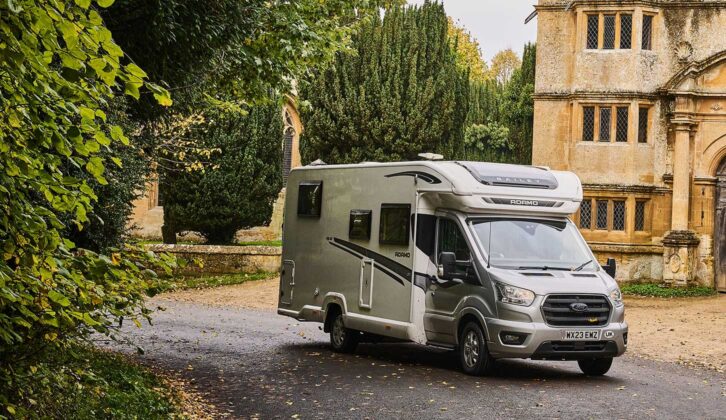
Aim to get your pictures taken on a day when there is some sun, and take a three-quarter image (where the front and side are both visible). In total, you should get several exterior images that cover the whole of the motorhome, including the back panel and the wheels.
When you’re photographing the interior, you can always take a look at manufacturer brochures to see what angles they use and the features they take pictures of. Include pictures of everywhere in your motorhome, including the washroom.
Get a wide selection of images, and then choose the ones that best showcase your motorhome for the advert.
Future Publishing Limited, the publisher of Practical Motorhome, provides the information in this article in good faith and makes no representation as to its completeness or accuracy. Individuals carrying out the instructions do so at their own risk and must exercise their independent judgement in determining the appropriateness of the advice to their circumstances. Individuals should take appropriate safety precautions and be aware of the risk of electrocution when dealing with electrical products. To the fullest extent permitted by law, neither Future nor its employees or agents shall have any liability in connection with the use of this information. Double check any warranty is not affected before proceeding.
If you’ve enjoyed reading this article, why not get the latest news, reviews and features delivered direct to your door or inbox every month. Take advantage of our brilliant Practical Motorhome magazine SUBSCRIBERS’ OFFER and SIGN UP TO OUR NEWSLETTER for regular weekly updates on all things motorhome related.
Leave a Reply