Have you ever inspected your freshwater tank to be greeted by a stale smell? Or wondered how long you can leave the water in the tank?
It’s one of those areas many new motorhomers forget about until something goes wrong – a funny taste, a strange smell, or random little black bits floating in the fresh water tank. But this is very much a motorhoming mistake to avoid, and the good news is, with a little regular attention, your fresh and waste systems can stay healthy, hygienic and working exactly as they should.
Don’t miss my tips on how the Rule of Three can be used to transform your tours, either.
Practical Motorhome is supported by its audience. When you purchase through links on our site, we may earn an affiliate commission. Learn more.
Start with the freshwater tank
Your freshwater tank is the heart of your onboard system, and, like any vital organ, it deserves regular check-ups. Modern tanks can harbour biofilm – that slimy layer where bacteria love to hide – so it is essential to perform a thorough clean every few months. My advice is not to leave water in the tank for more than a couple of weeks.
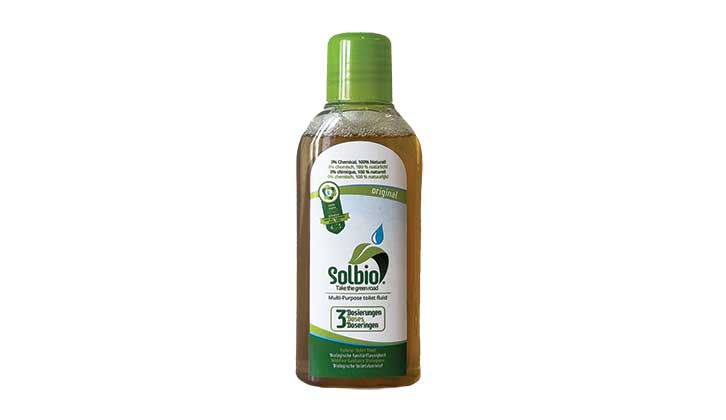
Drain the fresh tank fully, then refill part-way with warm water and a dedicated motorhome tank cleaner. I’ve always been told not to use Milton or household bleach for this job – while they’re very effective disinfectants, they can potentially damage rubber seals and leave lingering tastes and odours. A specialist product, such as Puriclean or Solbio, is more suitable.
After adding the cleaner, take the ’van for a short drive to ‘slosh’ the mixture around, then fill the tank with fresh water and run the taps until the tank is empty. Refill it again with fresh water and flush this through the system. Make sure you run all the taps, including the shower, and flush the toilet several times. Your tank will now be as fresh as spring.
Don’t forget to make sure you have the best motorhome toilet chemical for when you’re on tour, either.
Don’t forget the pipes
Cleaning the tank is only half the story: pipes can accumulate stale water, limescale and lingering residue. Running your cleaning solution through the taps helps, but draining the entire system between trips is equally important, especially if the ’van will be stored for a while.
If your motorhome has a water filter, stick to the manufacturer’s recommended replacement schedule. Filters can become sources of odour if neglected.
Clean the hot-water boiler
The hot-water boiler also deserves attention. Many believe the heating process keeps it clean, but limescale builds up just as readily here as in any domestic kettle – especially in areas with hard water. Be sure to follow the manufacturer’s guidance.
Truma’s official guidance is clear: “The boiler should be sterilised and descaled regularly. All cleaning products from camping specialists are suitable for cleaning, sterilisation and care. Commercial descaling products, vinegar essence or citric acid can be used to descale the boiler.”
Using a manufacturer-approved descaler makes the job simple: fill the fresh tank with solution, run the hot tap briefly to pull it into the boiler, leave it to work, then flush thoroughly. Avoid Milton and bleach here, too – they can potentially damage seals, the heater element and internal components. An annual descale keeps the boiler efficient and your hot water fresh-smelling and free-flowing.
Waste tanks need love, too
If the fresh tank is the heart of your system, the grey tank is the stomach – and it can get a little grumpy. Grey tanks are prone to smells caused by grease, soap and tiny food particles.
A long-held motorhome trick is to add a capful of biological laundry liquid to the grey tank before a drive. The enzymes break down residue while the ’van’s motion provides the scrubbing action. Drain it at your destination and enjoy the difference.
Fit mesh strainers to your plugholes to catch food scraps, and periodically flush with warm (not boiling) water to encourage good flow.
We tip about 20ml of Solbio toilet treatment down our kitchen, bathroom and shower traps after every trip. I leave it in the waste tank with 20 litres of water sloshing around, then empty it when I get home.
Keeping smells at bay
Smells usually come from stagnant water or trapped food residue. Empty the fresh tank if you won’t be using the ’van for a while, drain the grey tank frequently, and treat plugholes with suitable cleaners. Leaving taps open during long-term storage helps trapped water escape and prevents pressure build-up.
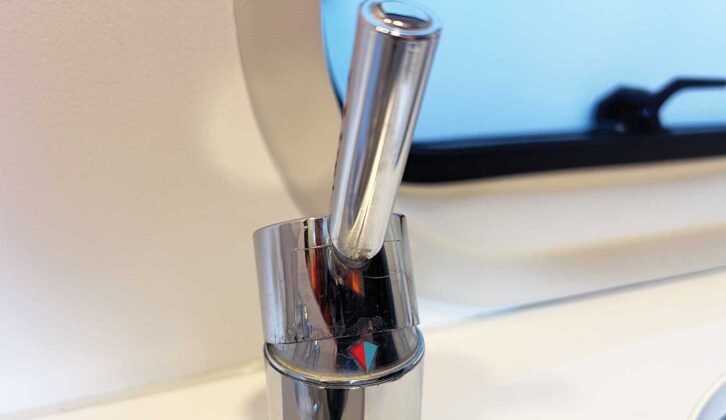
Just remember to turn off the pump beforehand! This is also good practice during winter motorhome storage.
Choosing the right hoses and fittings
Fresh-water hoses are a surprisingly common source of trouble. A food-grade fresh-water hose is essential – they’re designed not to leach chemicals or plasticisers into your drinking water and resist bacterial growth far better than standard hoses because they do not allow sunlight to penetrate the hose. They are also smooth inside, which helps stop bacteria from clinging to the hose’s inner surfaces.
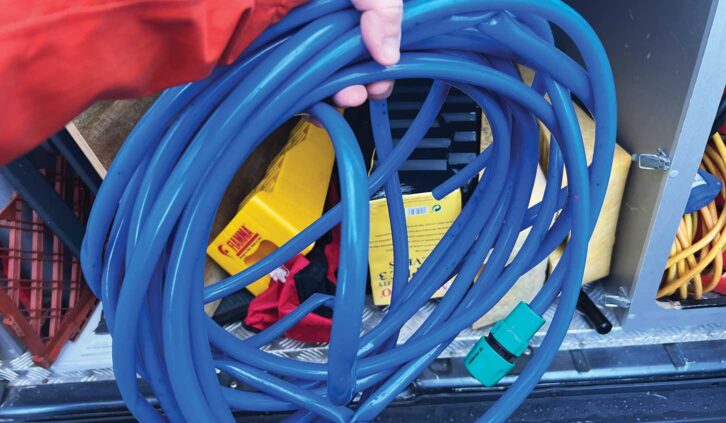
And here’s a golden rule: keep your freshwater hose completely separate from anything that’s touched grey waste. That includes waste hoses, motorhome levelling ramps, and anything that’s been on the floor. Cross-contamination is a fast path to problems. Just as importantly, never refill your fresh tank with a garden hose.
Garden hoses can harbour algae, mould and bacteria, and you’ve no idea what’s been growing inside them while they’ve been curled up in a damp corner of the garden. If a campsite leaves a communal hose connected, I ignore it and use my own.
Carry a small set of tap connectors to ensure you can connect up anywhere, whether in the UK or abroad.
Avoiding frozen pipes
Winter motorhoming is wonderful until a pipe freezes. Insulate exposed pipework, use tank heaters if your ’van has them, and consider aftermarket insulation jackets if it doesn’t.
When draining the system for winter storage, leave all taps open to allow air to circulate. If you’re touring during a cold snap, keep the heating on low to protect the pipework. And never leave your hose connected overnight in freezing weather, unless you enjoy chiselling your water supply free in the morning.
During winter, it is essential to drain all the water from the boiler, tanks, pipes and taps. Open all drain taps. Run the taps until the system runs dry, then turn the pump off. Leave taps open in the mid position between hot and cold. Place the shower head onto the shower tray. Open any boiler drain taps. Consider an aftermarket drain-assist system that blows
air pressure around the water pipes.
A little care goes a long way
Your motorhome’s water system doesn’t require much, but ignoring it can lead to smells, bad tastes and inconvenient blockages. With regular cleaning, proper treatment and a few good habits, your system will stay clean, efficient and trouble-free. Look after your waterworks, and they’ll reward you with fresh drinking water, sweet-smelling drains and a perfect, untainted first cuppa on site.
Another thing you may want to know about if you’re new to motorhoming will be how to empty a toilet cassette, something which can be an important bit of touring know-how.
Future Publishing Limited, the publisher of Practical Motorhome, provides the information in this article in good faith and makes no representation as to its completeness or accuracy. Individuals carrying out the instructions do so at their own risk and must exercise their independent judgement in determining the appropriateness of the advice to their circumstances. Individuals should take appropriate safety precautions and be aware of the risk of electrocution when dealing with electrical products. To the fullest extent permitted by law, neither Future nor its employees or agents shall have any liability in connection with the use of this information. Double check any warranty is not affected before proceeding.
If you’ve enjoyed reading this article, why not get the latest news, reviews and features delivered direct to your door or inbox every month. Take advantage of our brilliant Practical Motorhome magazine SUBSCRIBERS’ OFFER and SIGN UP TO OUR NEWSLETTER for regular weekly updates on all things motorhome related.
Leave a Reply