Let me share with you a golden rule that has transformed my motorhome travels: the Rule of Three. This simple yet effective principle advocates for driving no more than three hours, staying parked for at least three days, and if it’s raining on day three, either moving or heading home.
It sounds simple – and it is – but this little rule has transformed how I travel. It’s kept my trips more relaxed, helped me actually enjoy the places I visit, and, perhaps most importantly, stopped me from turning a motorhome holiday into a military exercise with too many miles and too little fun.
Why three hours?
We’ve all done it – the “let’s just keep going” marathon when you’re driving a motorhome, chasing the next destination. And what happens? You arrive frazzled, tempers are short, and you’ve seen more motorway than the countryside you came to enjoy.
Three hours of driving is a practical limit. It’s enough to feel like you’ve made progress without being exhausted. It’s also the point where your passengers – whether they’re kids, pets, or your partner – start asking, “Are we there yet?”.
And don’t forget, three hours in even the best motorhome is very different to three hours in a car. There’s the size of the motorhome to factor in, as well as the fact that it will be slower, and more exposed to crosswinds, traffic, and the general stress of piloting what is, let’s be honest, a small house on wheels.
Why three days?
When you’ve got a motorhome, it’s tempting to keep moving. “Shall we just do one night here, then head on?” Before you know it, you’re packing away the best motorhome levelling ramps, coiling up the electric hook-up lead and refilling with water every single morning. It’s exhausting.
By staying put for three days, you actually give yourself time to settle in, really get to know the local area and relax.
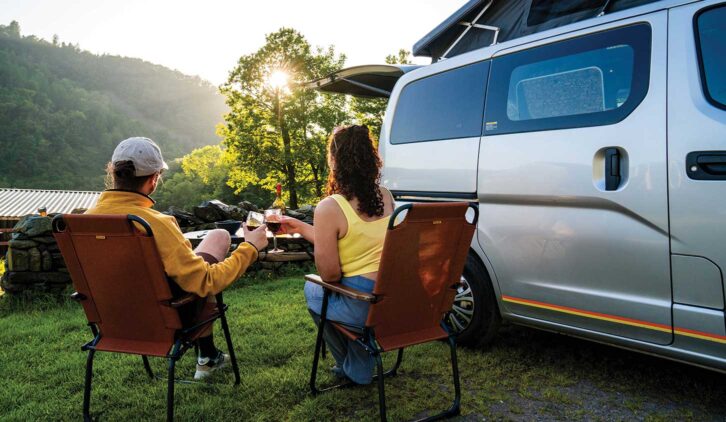
Day one is arrival and set-up. Day two is your proper day to explore, whether that’s a walk, a bike ride, or simply finding the best bakery within cycling distance. Day three is your bonus day – maybe a slow start, perhaps a lazy barbecue, maybe another local trip.
The Rule of Three takes away that constant pressure to move. It also means you’re using less fuel, less wear on the motorhome, and you’re not turning your break into a race.
Why move on if it’s raining on day three?
This is the part that makes people smile – and it’s more tongue-in-cheek than hard and fast. But there’s sense in it.

By day three, if you’re still touring in the rain, you’ve probably explored all the indoor attractions, worked your way through the games cupboard and polished off the chocolate stash. So why not pack up, move on and chase the sun?
Or if you’re close enough to home, call it a day and head back. Motorhoming is supposed to be enjoyable, and being prepared to adapt to changing conditions is a key part of that.
Flexibility is key
Of course, it’s not always possible to stick to the rule. Ferries and campsites don’t always fit around it, and sometimes you’ll need to push on further.
However, as a general principle, it’s a brilliant way to keep things simple and stress-free. For example, in my motorhome hire business, we advise new customers not to try to “see all of Scotland in a week”. Instead, pick one region, apply the Rule of Three, and you’ll have a much richer time.
The hidden benefits
What I’ve noticed over the years is that the Rule of Three naturally encourages slower, more mindful travel. You start looking for quality rather than quantity in your trips. You have the time to chat with locals, find the hidden gems that don’t make the tourist brochures, and actually relax.
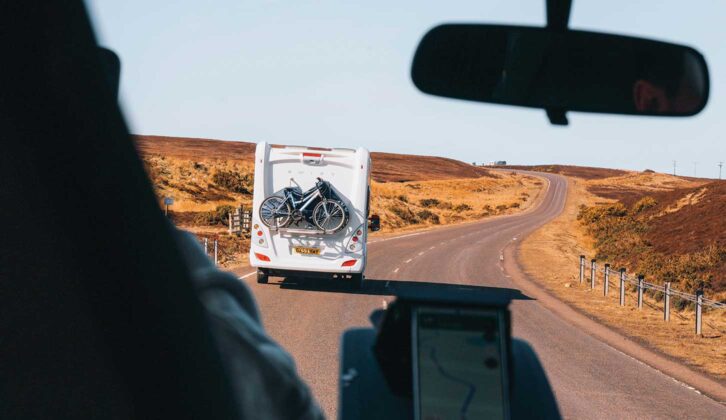
It also makes practical sense. By moving less, you reduce the stress on your motorhome. Less driving means fewer stone chips, less wear on the motorhome tyres, and fewer chances to scrape your pride and joy on a narrow Cornish lane.
And let’s not forget if you’re motorhoming with a dog. My border terrier, Reg, absolutely loves it when the ’van’s parked up and the routine kicks in. He knows where his bed is, he knows the door opens to somewhere new, and he can explore and then settle down – instead of being bundled back into the ’van every morning.
Give it a go
So next time you’re planning a trip, try it. Limit yourself to a three-hour drive, stay three days, and on day three, when it’s solid rain, well, maybe it’s time to head for sunnier skies.
Motorhoming should never feel like hard work. The Rule of Three keeps it simple, keeps it fun, and helps you come back refreshed, not frazzled.
You can find out more about me and listen to my podcast at motorhomematt.co.uk.
Are you in the process of planning your next getaway? See what happened when Peter Rosenthal relinquished all holiday control to AI to plan his tour for him.
If you’ve enjoyed reading this article, why not get the latest news, reviews and features delivered direct to your door or inbox every month. Take advantage of our brilliant Practical Motorhome magazine SUBSCRIBERS’ OFFER and SIGN UP TO OUR NEWSLETTER for regular weekly updates on all things motorhome related.
Leave a Reply